02 Oct 2026 · Geotechnical Engineering · Panthera Nestah
Navigating Black Cotton Soils: Engineered Foundation Solutions in the Nairobi Metropolitan Area
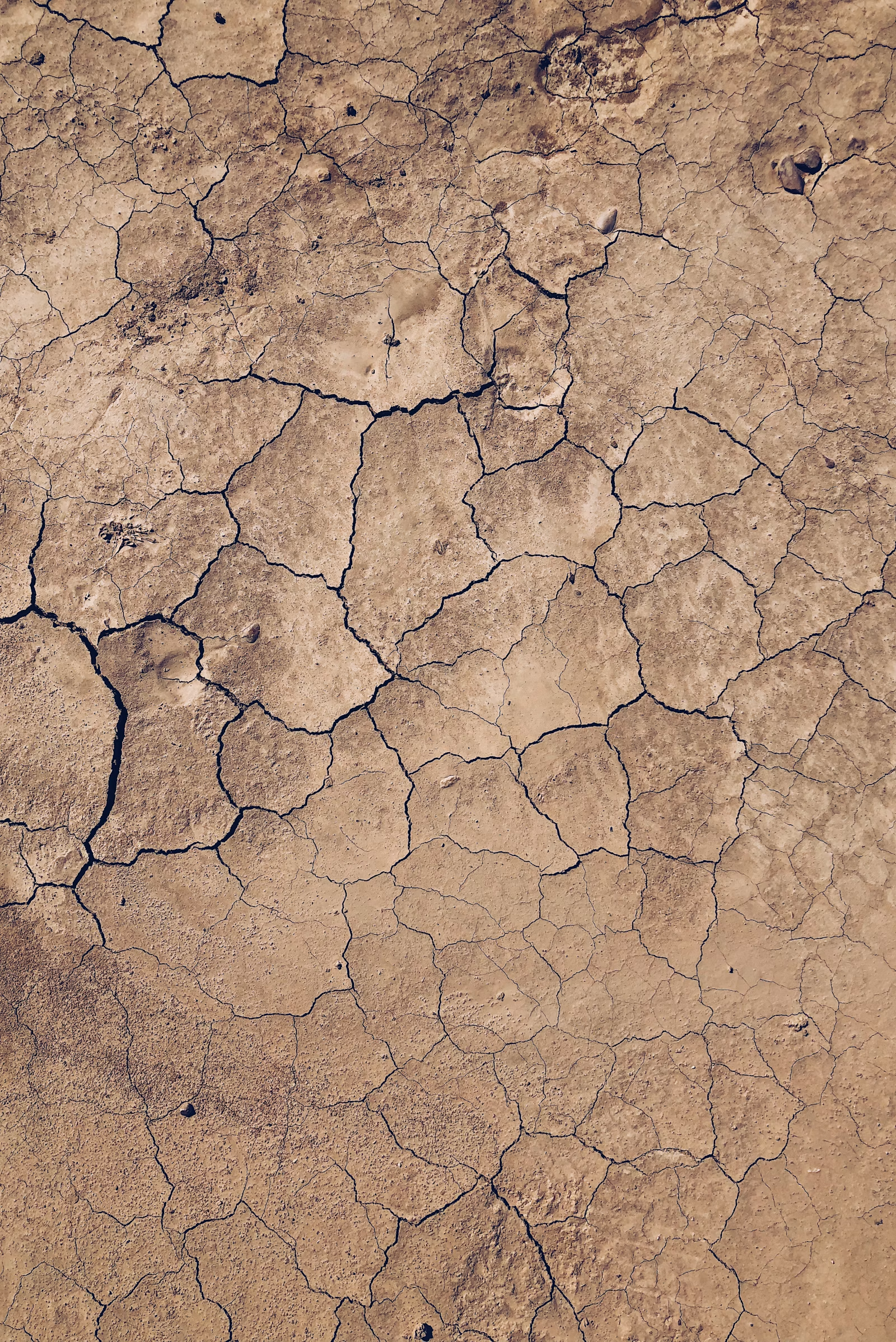
Across the eastern and southern plains of Nairobi—stretching through Embakasi, Athi River, Syokimau, Kitengela, and Ruiru—developers and civil contractors face a notorious geological challenge: Black Cotton Soil (BCS). Known technically as expansive vertisols rich in montmorillonite clay minerals, these soils possess an aggressive capacity to change volume in response to moisture fluctuation. During wet seasons, montmorillonite crystal lattices absorb water, expanding up to 30% in volume and exerting swelling pressures exceeding 250 kN/m². In dry seasons, water evaporates, leaving deep polygonal ground fissures and causing severe soil subsidence.
1. Laboratory Classification & Geotechnical Testing
Before designing any substructure on expansive clays, geotechnical engineers must conduct rigorous Atterberg limit determinations and free swell index tests under BS 1377. High-risk black cotton deposits typically exhibit:
- Liquid Limit ($LL$): > 70%
- Plasticity Index ($PI$): > 35%
- Free Swell Index: > 50%
- Linear Shrinkage: > 14%
When swelling pressure exceeds the dead load overburden applied by a proposed structure’s foundation, upward structural heave occurs, shearing ground beams and fracturing unreinforced masonry walls.
2. Engineering Remediation Strategies
A. Complete Excavation & Replacement: For shallow foundation depths where black cotton thickness does not exceed 1.5 to 2.0 meters, complete striping down to stable weathered basalt or pyroclastic tuff is the most reliable strategy. The excavation must be backfilled with inert, non-cohesive material—such as hand-packed stone hardcore or granular G30 river gravel—compacted in 150mm layers to 95% Modified AASHTO density. A 1000-gauge polythene damp-proof membrane should isolate the substructure concrete.
B. Stiffened Raft Foundations: When expansive soil extends to significant depths (> 3.0m) and piling is cost-prohibitive for low-rise residential or commercial structures, a cellular stiffened reinforced concrete raft is the preferred structural solution. The slab acts as a rigid monolithic plate, allowing the structure to float uniformly across differential ground heave without inducing localized shear distress.
C. Bored Piles with Suspended Ground Beams: For multi-storey structures, bored cast-in-situ reinforced concrete piles socketed at least 1.5 meters into hard trachyte or phonolite bedrock provide unyielding support. Crucially, the reinforced concrete ground beams must be cast with a minimum 100mm clear void (or compressible polystyrene void-former) beneath their soffits. This void prevents swelling soil from exerting catastrophic upward uplift forces directly on the building frame.
Conclusion
Ignoring black cotton soil dynamics is the single leading cause of structural cosmetic defects and structural failure across the Nairobi metropolis. By coupling geotechnical borehole logging with tailored substructure detailing, engineers ensure building longevity while protecting clients from exorbitant structural underpinning expenses.